
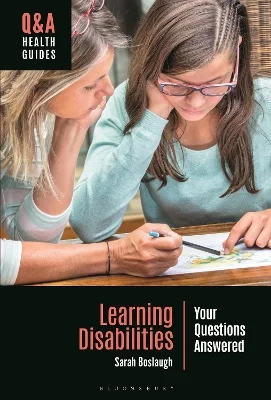
Description
By (author) Boslaugh Sarah
Short /annotation:
Research suggests that approximately 15% of individuals worldwide have a learning disability. Discover the answers to common questions about this diverse group of conditions.
:
Research suggests that approximately 15% of individuals worldwide have a learning disability. Discover the answers to common questions about this diverse group of conditions.
Part of the Q&A Health Guides series, this book offers a broad introduction to learning disabilities, the most common group of disabilities among children. The book’s 52 questions cover the many forms learning disabilities can take, including difficulties related to writing, reading, math, language, and processing auditory and visual information. The book also explores how learning disabilities are diagnosed and addressed; the impacts they can have on academic and, later, workplace performance; and how those living with learning disabilities can reach their full potential.. Learning Disabilities: Your Questions Answered addresses these and other topics in a way that both celebrates diversity and acknowledges the many challenges that those with learning disabilities face.
Augmenting the main text, a collection of 5 case studies illustrate key concepts and issues through relatable stories and insightful recommendations. The Common Misconceptions section at the beginning of the volume dispels 5 long-standing myths about learning disabilities, directing readers to additional information in the text. The glossary defines terms that may be unfamiliar to readers, while the directory of resources curates a list of the most useful books, websites, and other materials. Finally, whether they’re looking for more information about this subject or any other health-related topic, readers can turn to the Guide to Health Literacy section for practical tools and strategies for finding, evaluating, and using credible sources of health information both on and off the internet.
Table of contents:
Series Foreword
Introduction
Guide to Health Literacy
Common Misconceptions about Learning Disorders
1. Learning disabilities are rare
2. Children with learning disabilities will grow out of them
3. Having a learning disability means you have low intelligence
4. Children with learning disabilities are always placed in special education classes
5. Having a learning disability means you can’t do well in school or succeed in life
Questions and Answers
The Basics
1. What are learning disabilities?
2. Are there different levels of learning disabilities?
3. How common are learning disabilities and are diagnoses on the rise?
4. How long have learning disabilities been officially recognized?
5. What is meant by an “invisible disability” and how does this relate to learning disabilities?
6. Why do some people think that learning disabilities aren’t real?
Causes, Risk Factors, and Symptoms
7. What causes learning disabilities?
8. Are factors like gender, race, or ethnicity associated with increased likelihood of having a learning disability?
9. Do the brains of people with learning disabilities differ from those without them?
10. What do we know about the connections between genetic makeup and learning disabilities?
11. How do learning disabilities commonly manifest in childhood?
12. How do learning disabilities commonly manifest in adulthood?
13. Are learning disabilities associated with low intelligence?
14. What do we know about sleep and learning disabilities?
15. What are some risks of ignoring the symptoms of learning disabilities?
16. What are some disorders and conditions that commonly co-occur with learning disabilities?
17. Are there other conditions that ma




Reviews
There are no reviews yet.