
Description
By (author) Nalbantian, Tsolin
Short /annotation
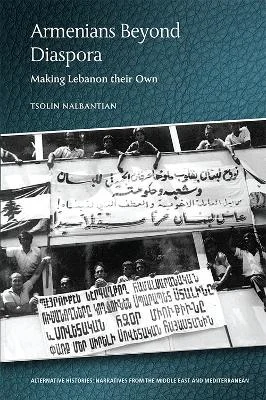
This book argues that Armenians around the worldin the face of the Genocide, and despite the absence of an independent nation-state after World War Ideveloped dynamic socio-political, cultural, ideological and ecclesiastical centres.
This book argues that Armenians around the worldin the face of the Genocide, and despite the absence of an independent nation-state after World War Ideveloped dynamic socio-political, cultural, ideological and ecclesiastical centres. And it focuses on one such centre, Beirut, in the postcolonial 1940s and 1950sTsolin Nalbandian explores Armenians” discursive re-positioning within the newly independent Lebanese nation-state; the political-cultural impact (in Lebanon as well as Syria) of the 1946 8 repatriation initiative to Soviet Armenia; the 1956 Catholicos election; and the 1957 Lebanese elections and 1958 mini-civil war. What emerges is a post-Genocide Armenian history ofprincipallypower, renewal and presence, rather than one of loss and absence.
This book argues that Armenians around the worldin the face of the Genocide, and despite the absence of an independent nation-state after World War Ideveloped dynamic socio-political, cultural, ideological and ecclesiastical centres. And it focuses on one such centre, Beirut, in the postcolonial 1940s and 1950sTsolin Nalbandian explores Armenians” discursive re-positioning within the newly independent Lebanese nation-state; the political-cultural impact (in Lebanon as well as Syria) of the 1946 8 repatriation initiative to Soviet Armenia; the 1956 Catholicos election; and the 1957 Lebanese elections and 1958 mini-civil war. What emerges is a post-Genocide Armenian history ofprincipallypower, renewal and presence, rather than one of loss and absence.
Biographical note
Tsolin Nalbantian, Lecturer in Modern Middle East History, Leiden University.




Reviews
There are no reviews yet.